
#
World’s Biggest Analog (WBA)
The most extensive simulation of a space mission in history.
Oct 13th – 26th 2025
1 mission 14 days long, multiple habitats, collaborative research
To answer the question, “how will we live and work in Space as a community?”
A total of 15 habitats – research stations that simulate a stay in space – participated in a coordinated effort around the world. Their task within the mission was to conduct experiments and test the possibilities of coexistence in space.
Humankind’s permanent presence in space will become a reality in the not-too-distant future. Not only government agencies but also private organizations are planning to operate bases. How will everyone live and work together in the inhospitable environment of space?

Program WBA
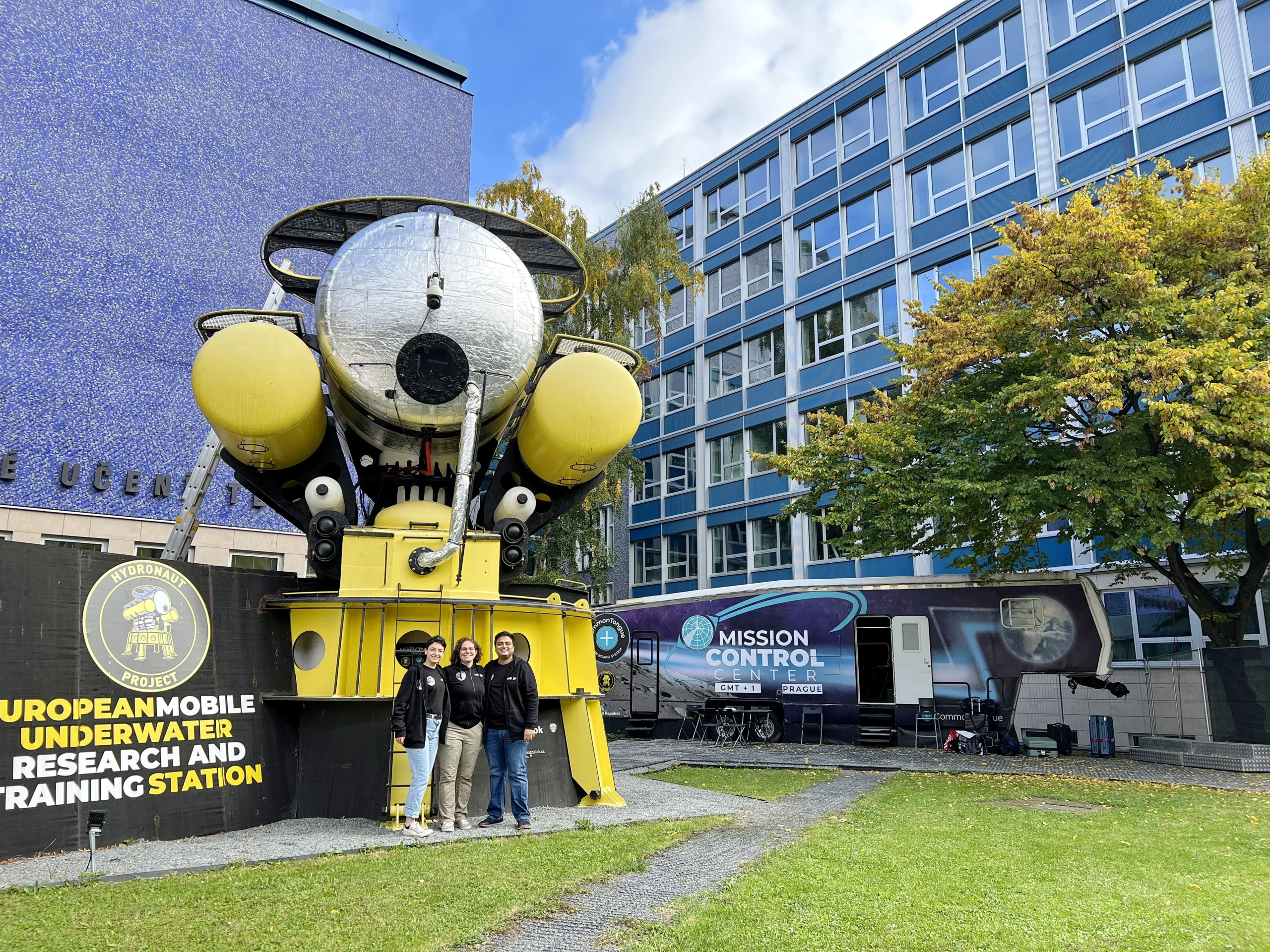
The MICO Center in Vienna coordinated 5 lunar bases, 10 on Mars, and 1 ship on its way to the Moon (Hydronaut in LMCP). Over the course of 14 days, were tested the possibilities of coexistence and cooperation of the largest and most culturally diverse crew in history and much more.
A series of experiments, both global and local, were also conducted. In addition, data on the physical condition of the analog astronauts was collected using wearable devices. Another goal was to strengthen communication between active global habitats and minimize duplicate research.
It is not possible to replicate all aspects of space travel on Earth, such as increased radiation or microgravity, but it is possible to simulate isolation and limited resources. In advanced habitats such as the one in Prague at the LMCP, in addition to studying the effectiveness of processes and crew well-being, it is also possible to develop protocols for life support and safety or to search for the optimal architecture and use of confined interior space. More about WBA.
Involvement of the Czech habitat
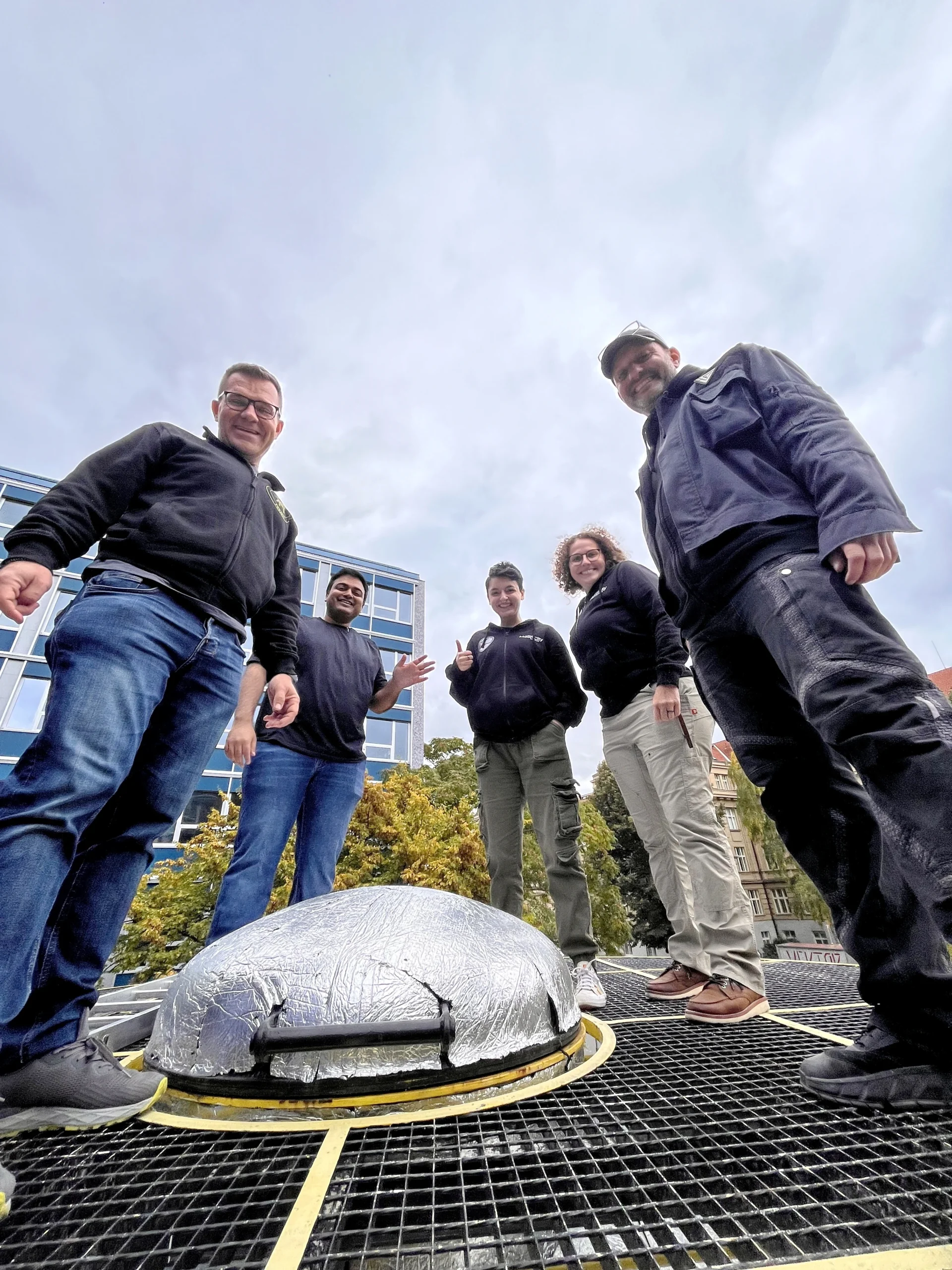
The Little Moon City Prague training center and the Hydronaut habitat had a unique position within the WBA as being „in transit“ – a simulated journey from Earth to the Moon.
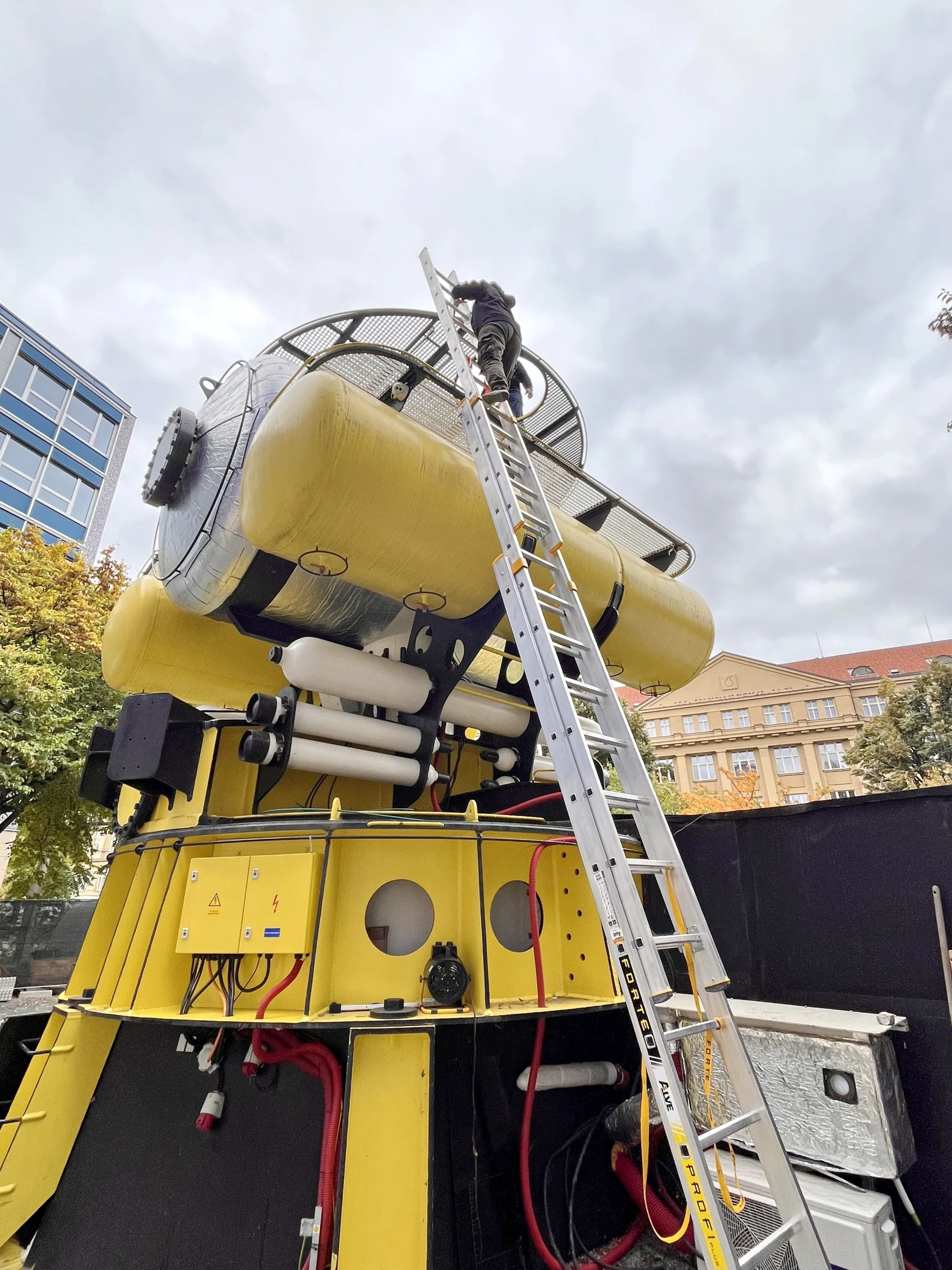
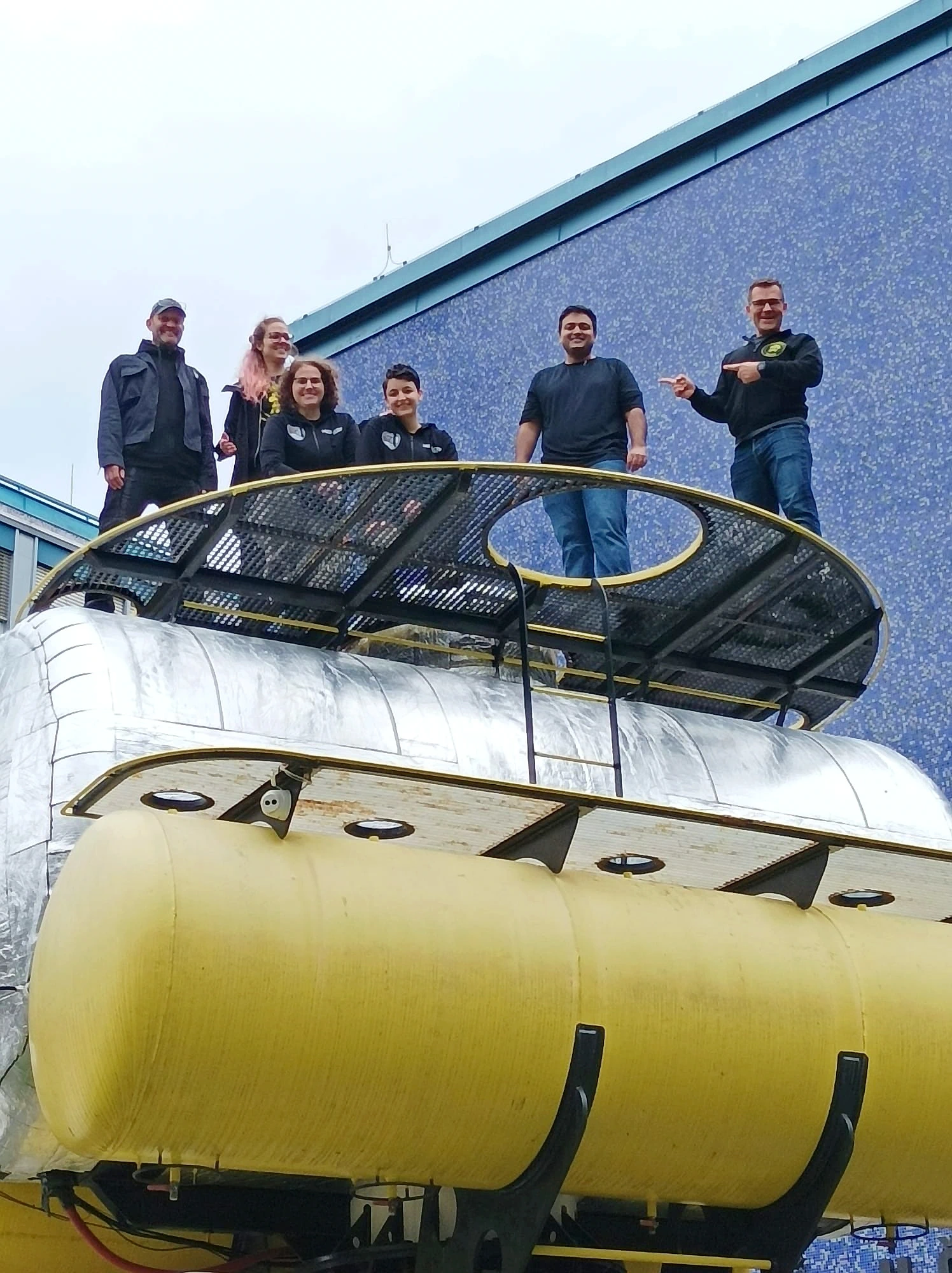
Among the habitats involved, Hydronaut was one of the most advanced, so-called high-fidelity habitats, capable of faithfully reproducing the conditions of a space mission. The strictness of its protocols corresponds to past experience, when it was located 10 meters below the water surface – with the exception of crew diving training, which is not required on land, making it easier to involve a wider range of analog astronauts.
However, the habitat will return to its deep-sea location in the future, so for the sake of consistency, it is necessary to maintain the same precise procedures as if it were still submerged.
The mission was also part of the Czech Journey to Space project, whose young ambassadors participated in the WBA in the form of shadowing, where they were able to study the work of the control center in real-time operation up close.
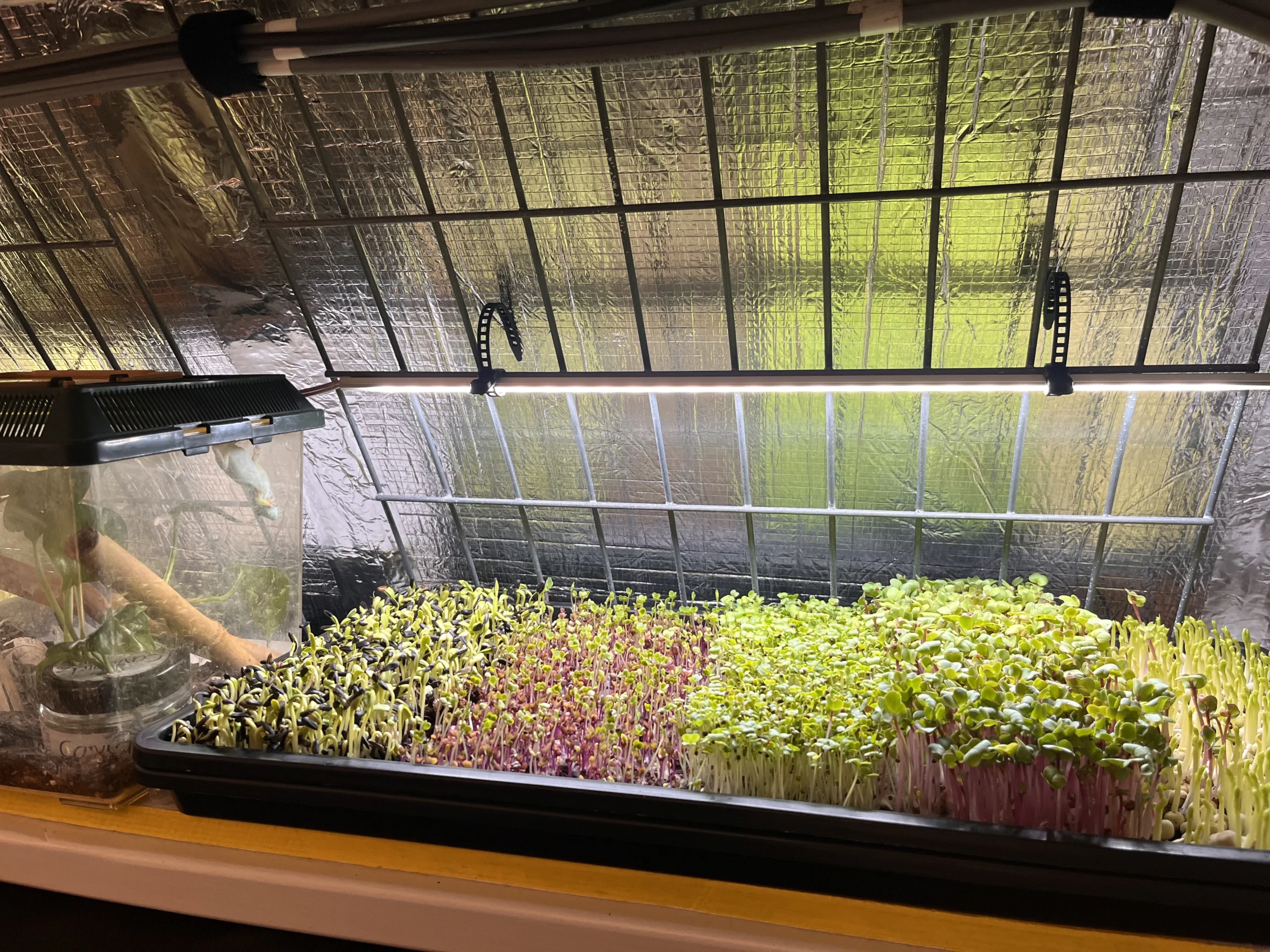
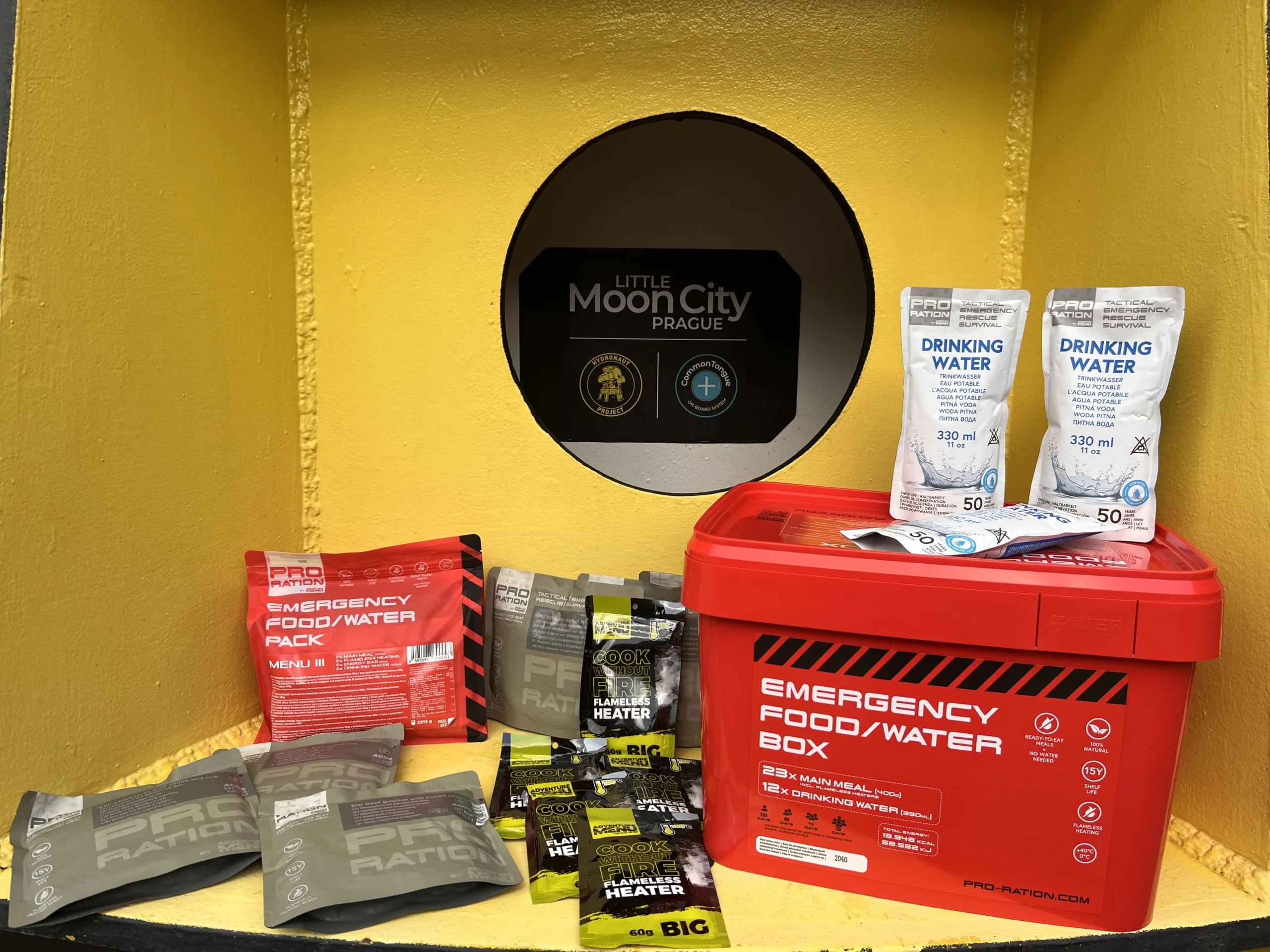
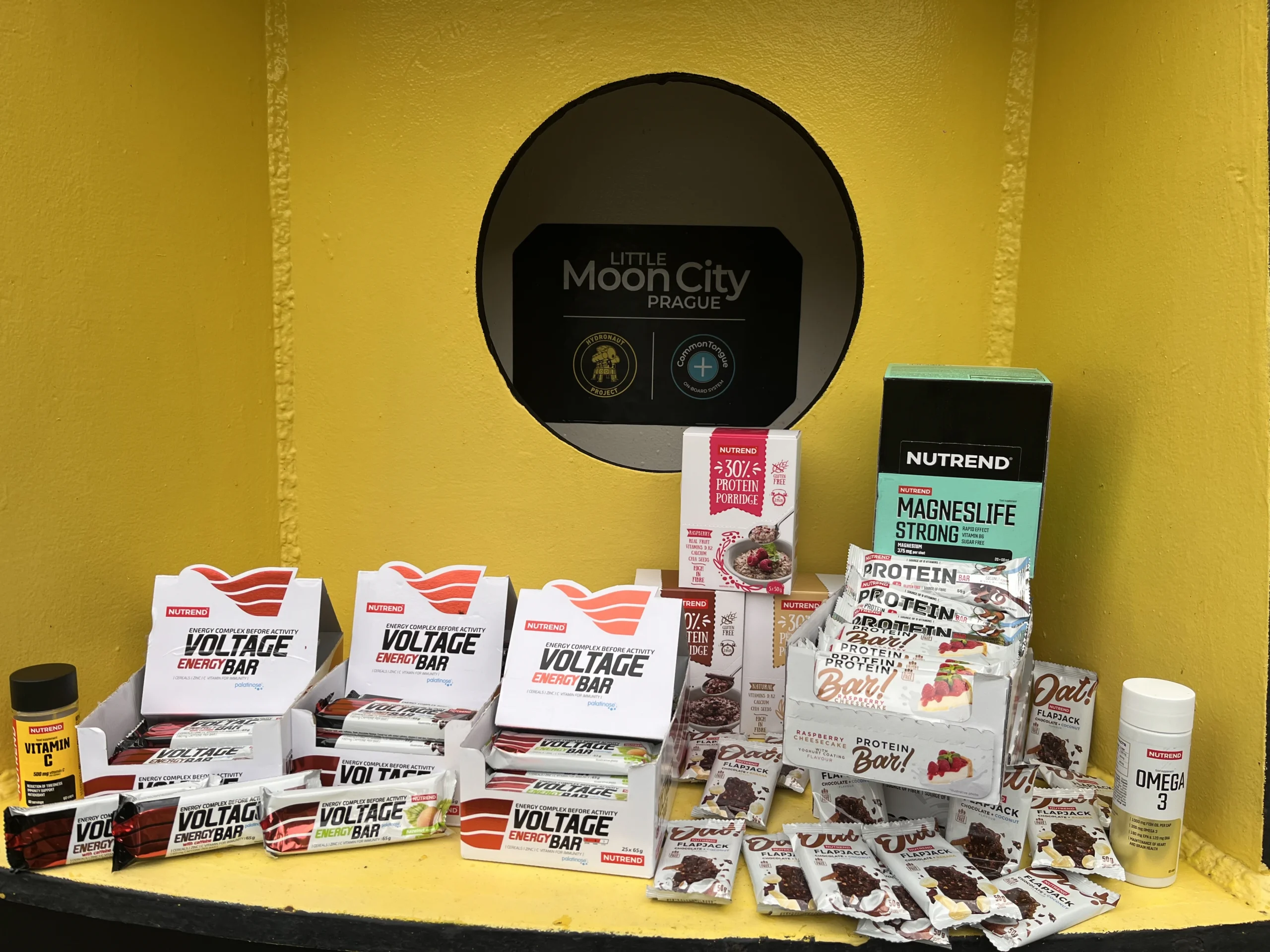
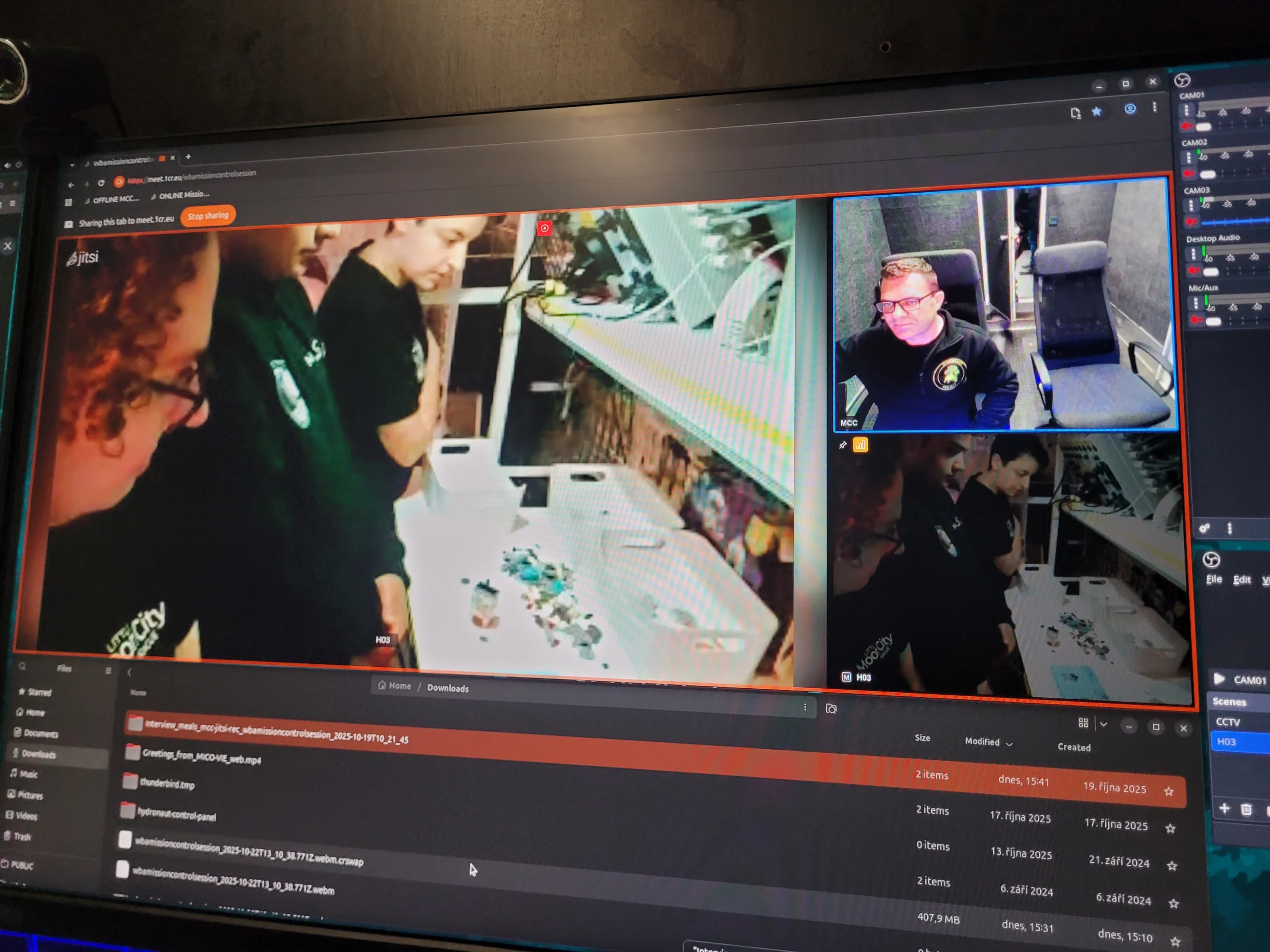
Experiments
LOCAL Experiments
These focus primarily on the well-being of the Prague crew. Pre-prepared Adventure Menu meals were tested, which experts from Nutrend will optimally combine for astronauts so that there are no undesirable changes in their physical constitution during the mission.
They also had access to a virtual trainer to maintain their physical condition and an advanced AI psychological avatar specifically tailored to each astronaut. Their stress levels were examined and reduced by Calypso autogenic training.
Research conducted in collaboration with FAMU and CTU used structured video diaries to focus on changes in the perception of time and space in an isolated environment and how the individual and collective memories of the mission participants were formed.
GLOBAL Experiments
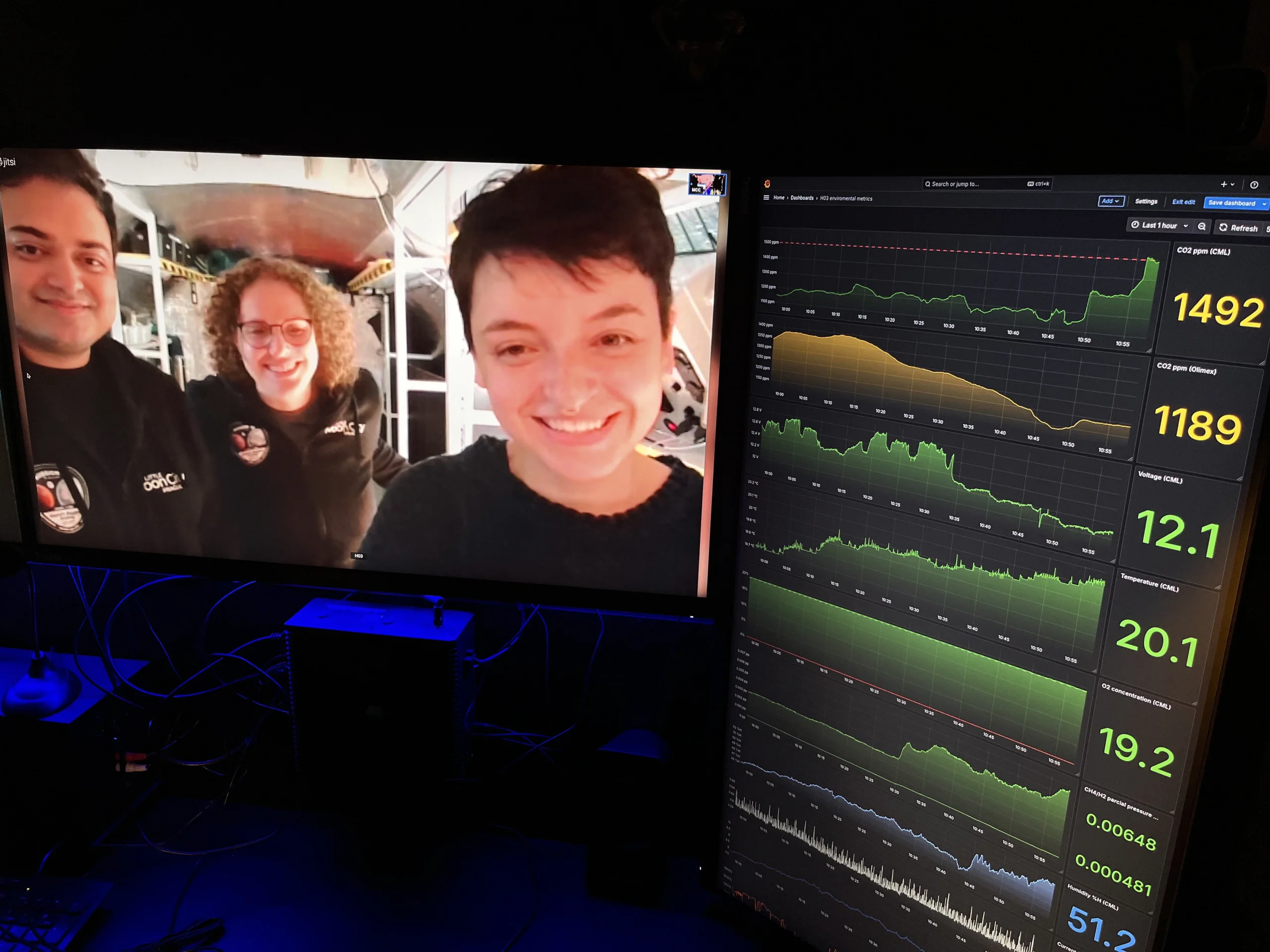
Joint experiments for all WBA participants were a unique collection of large amounts of data and focused, among other things, on the emotional impact on crew motivation, their decision-making and cognitive abilities, health impacts in different habitats, and psychological and sexual well-being. Air quality across habitats and the possibility of preventing exhaustion through manual activities were also analyzed. Legal frameworks for space coexistence were also developed, and critical issues such as responsibility, resource sharing, rescue, and ethical obligations were explored.
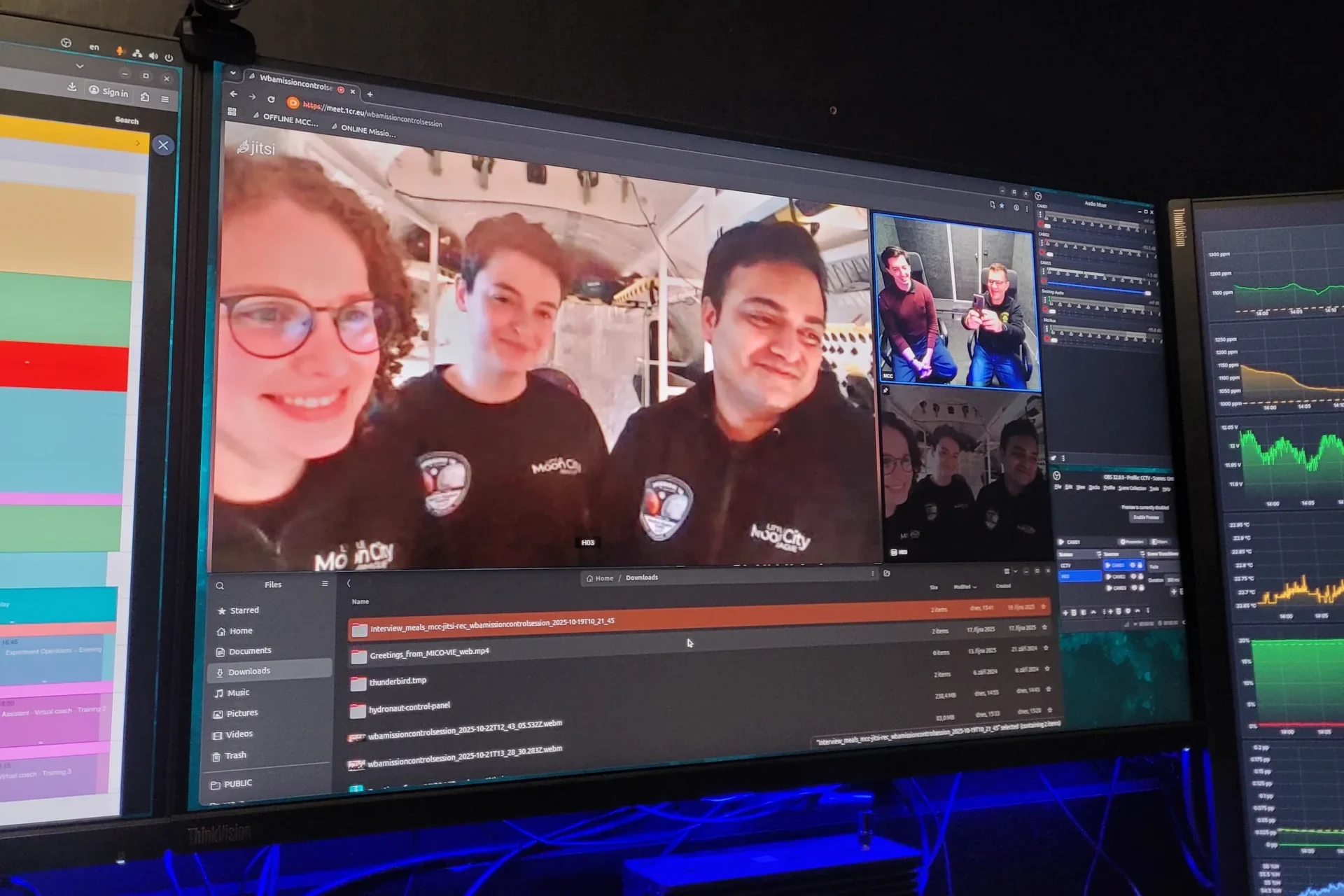
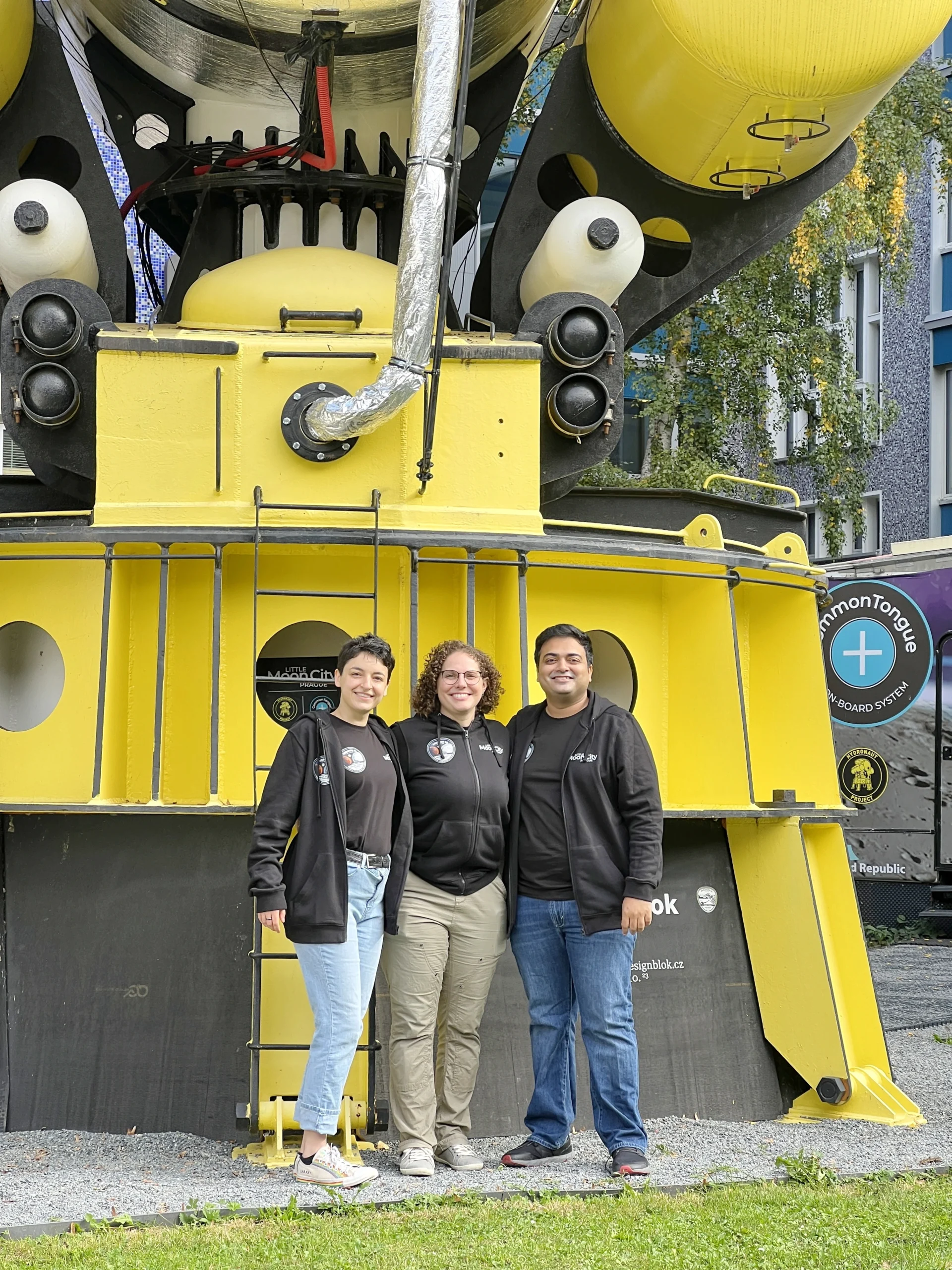
Crew of the Czech habitat in LMCP
We are honored that you were able to join us on this wonderful journey of knowledge and experience. Thank you all!
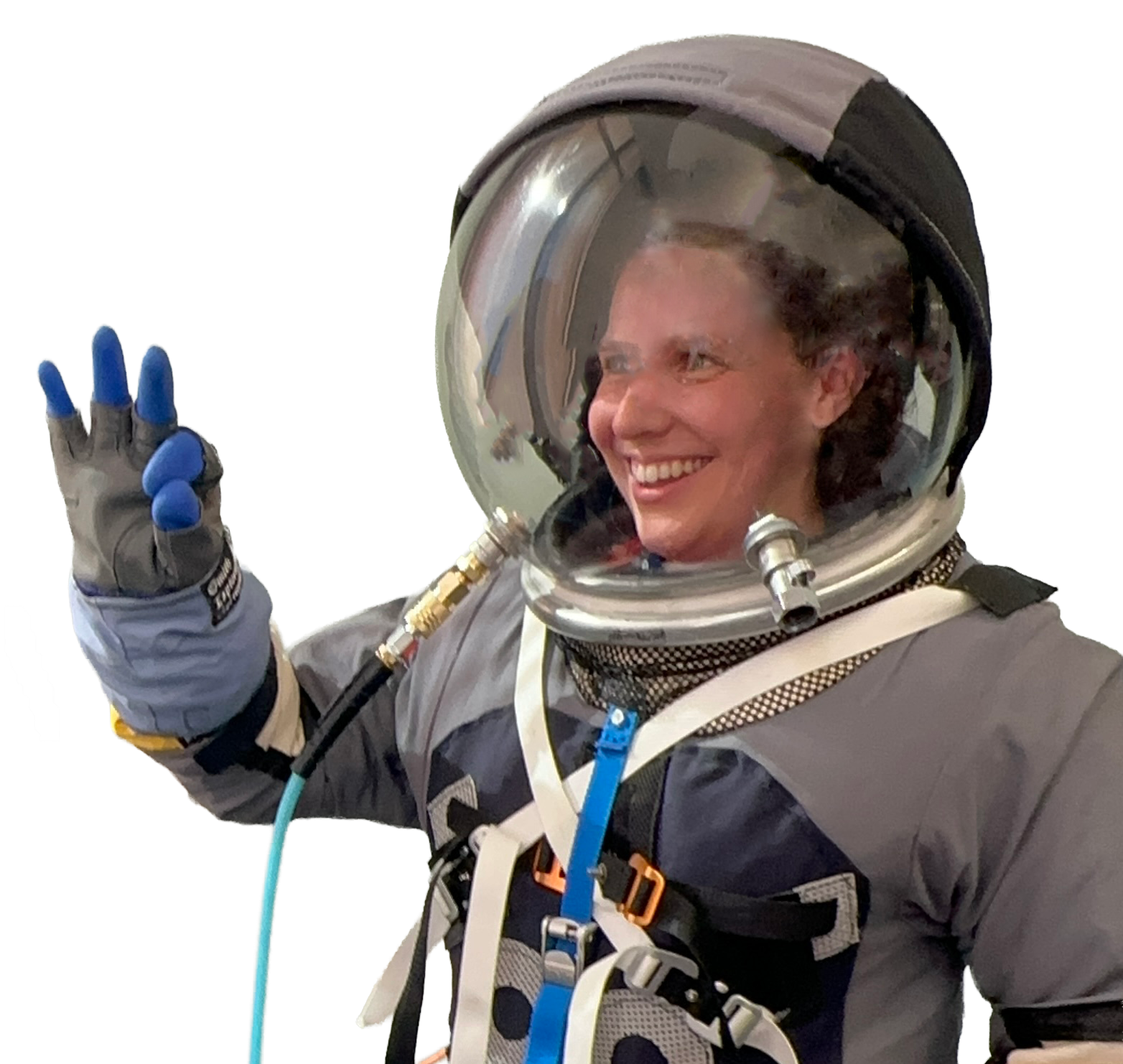
JENNIFER LYNN PINT
An engineer working in the field of medical device manufacturing, whose interest in space and its exploration, Apollo 13, and Star Trek led her to pursue a technical career in her youth. She is a member of The Planetary Society and president of The Janeway Collective, an organization that promotes education in technical fields and natural sciences, as well as women’s leadership.
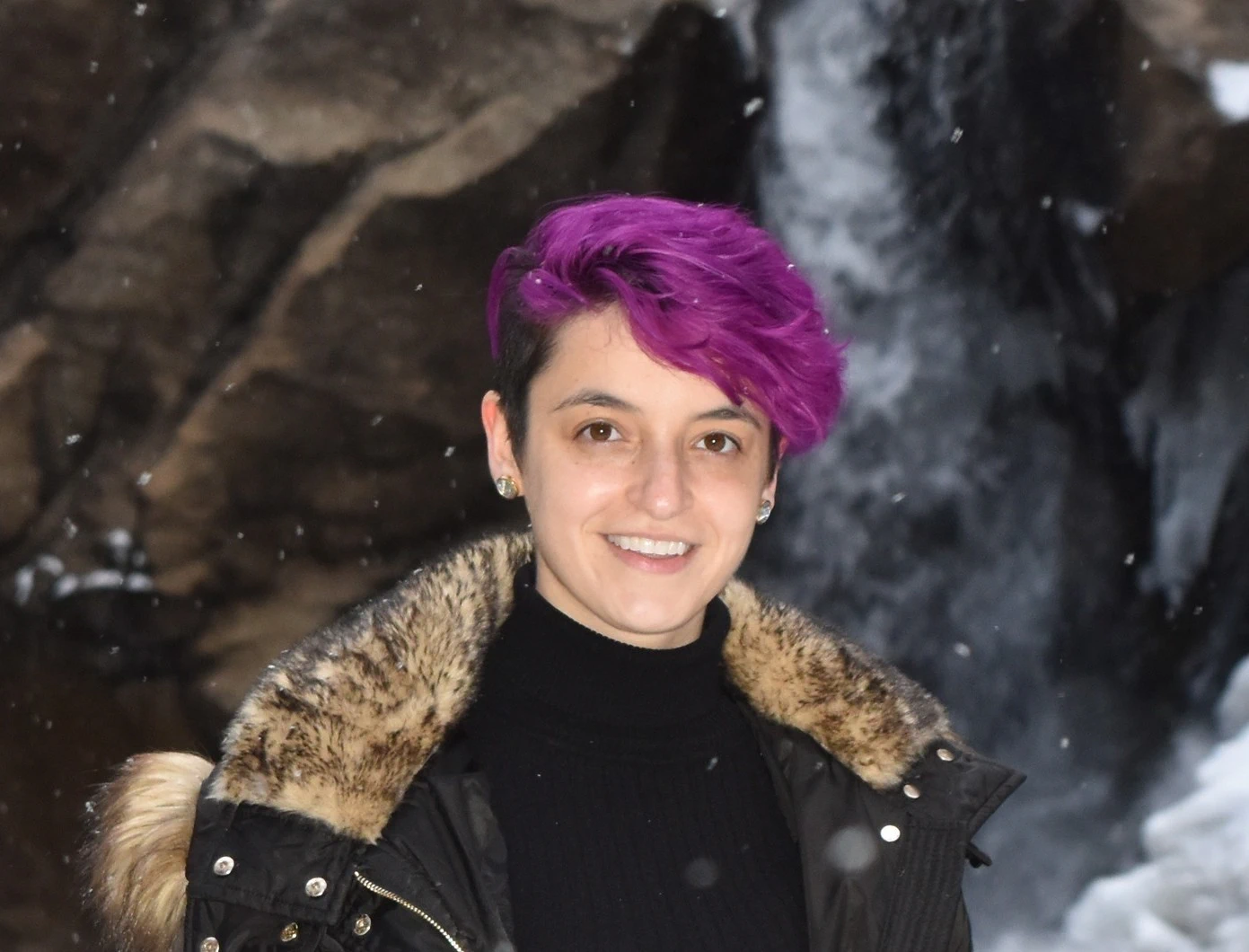
BROOKE SHEPARD
A postgraduate student at the University of Colorado, she studies bone health in real and simulated space flight environments. She participated in NASA’s training program for studying life in space. She discovered genetic regulation affecting immunity during space flight and sent fungal spores into space to reduce contamination on the ISS. In her current work, she is developing drugs to strengthen bones in space and on Earth.
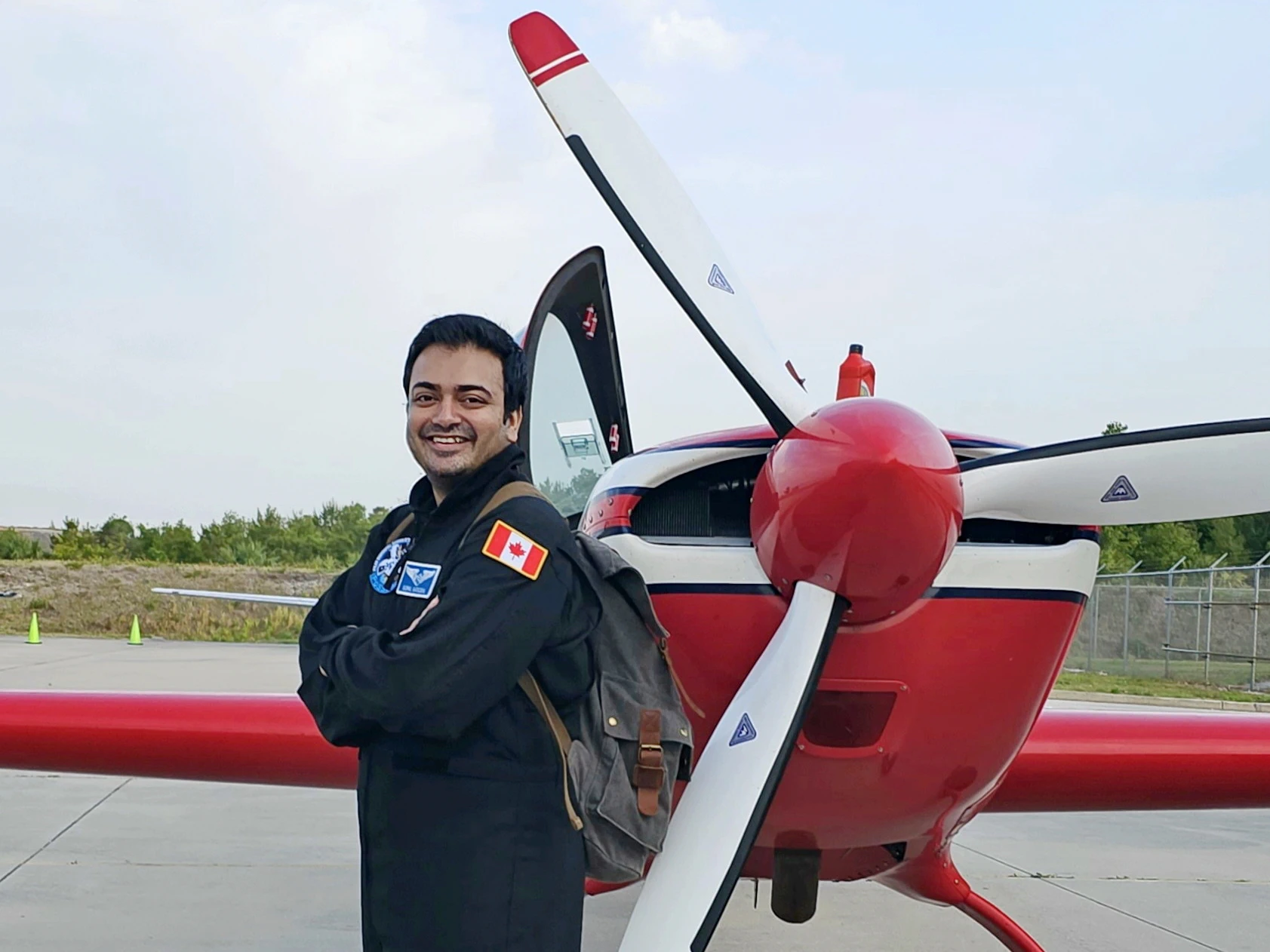
GOPAL KATKORIA
A physician, researcher, and educator, he is dedicated to improving human health in space. He trained at the International Institute for Astronautical Sciences, holds STAR certification under the WBA program, and has led missions in American and international analog space habitats. In addition to his active work in internal hospital medicine, he is also involved in research in the field of antimicrobial and ultrasound technologies. His company, SpaceKat Innovations, develops healthcare systems for future bases outside Earth.
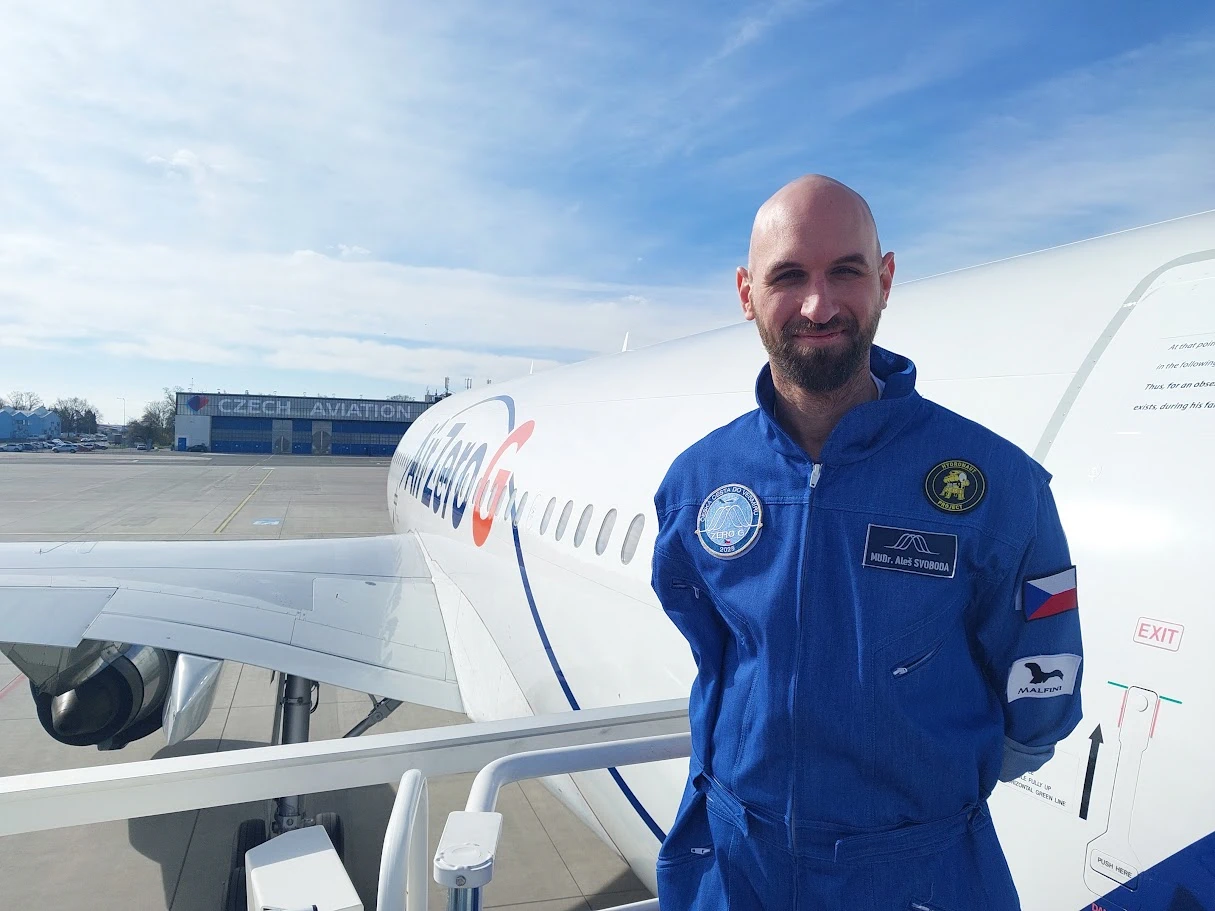
MUDr. ALEŠ SVOBODA
The mission doctor was a leading Czech expert in space medicine, MUDr. Aleš Svoboda from Bulovka Hospital, MSc. in Extreme Medicine. He has extensive experience with telemedicine from all previous Hydronaut habitat missions. He also participated in one of the underwater missions as an analog astronaut, telemedically monitoring the crew on the surface of the Moon (10 m underwater) from a simulated command module in lunar orbit.
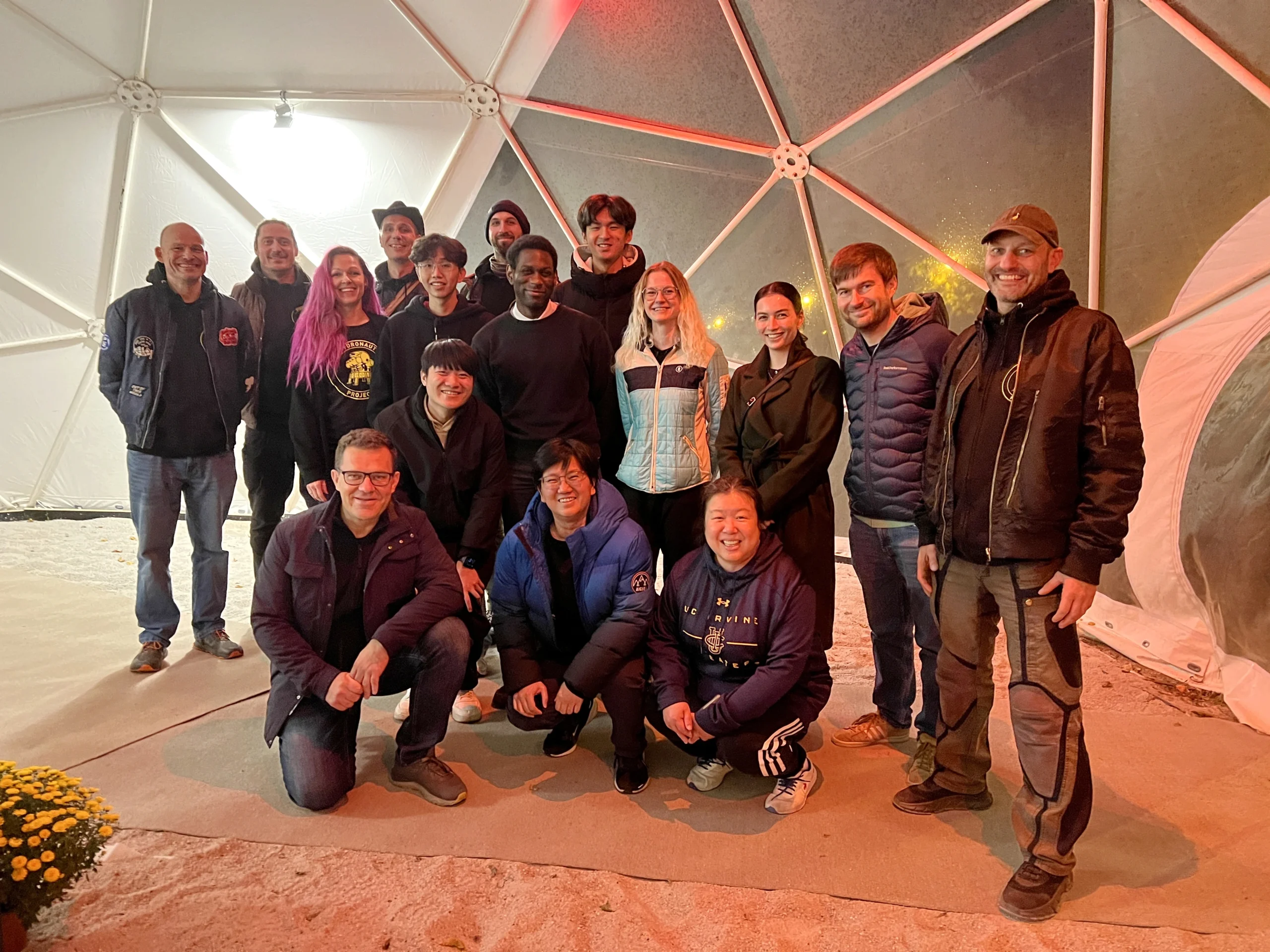
SUPPORT TEAM
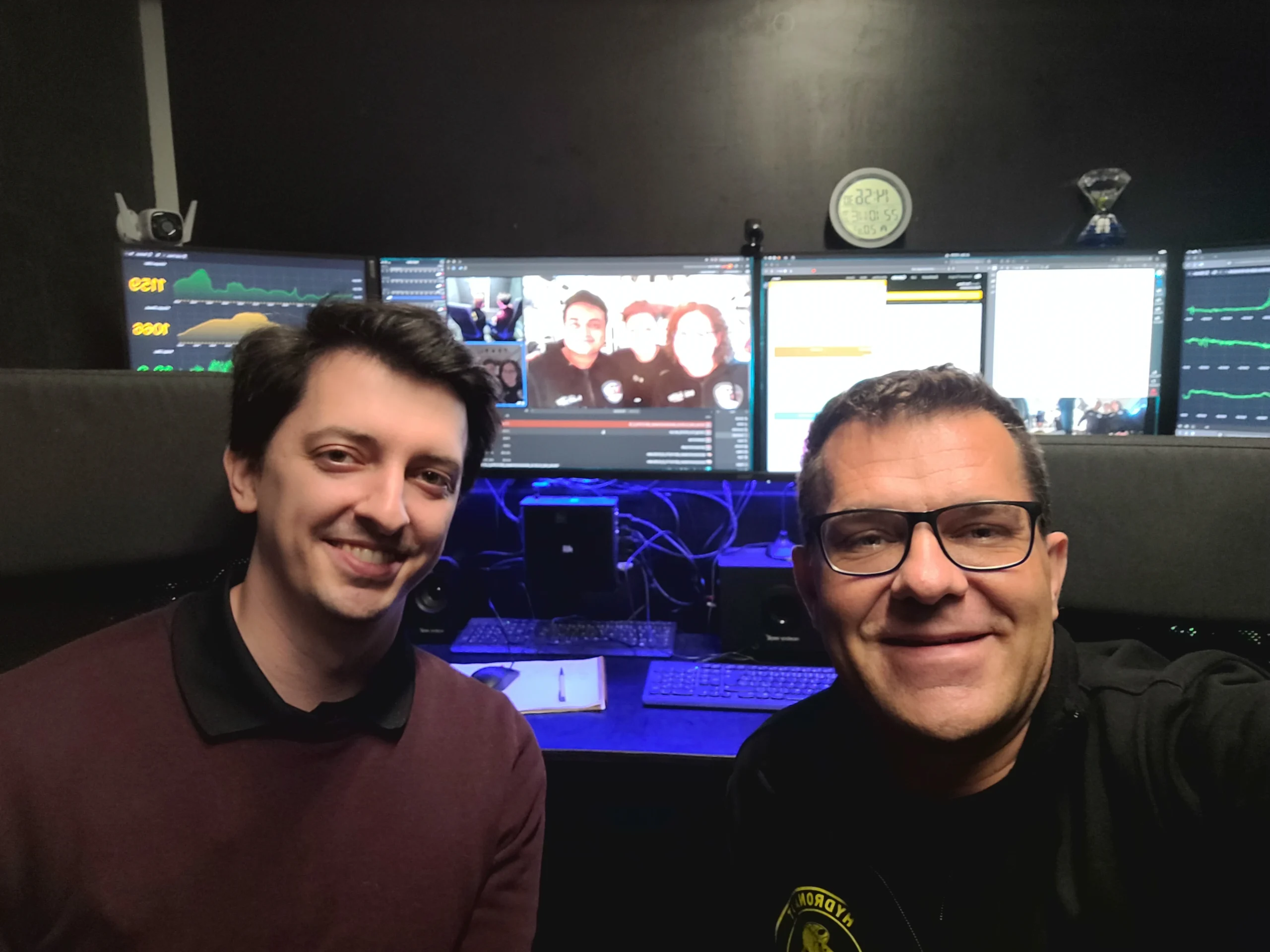
At the mission control center, an experienced team from LMCP and the Hydronaut deep-sea station took care of life support and crew safety. They were joined by teams from Taiwan’s National Taiwan University of Science and Technology, Industrial Technology Research Institute, and National Defense Medical Center.
The main partner

The scientific research partners




The educational partners

Technology partner

Contact Us
Jiří Schneider,
Statutory Director
Fratišek Veselý,
ITC Specialist
Silvie Gans Šustrová,
PR Specialist
Miloš Čihák,
Business Development